
Asphalt shingles
The most common residential covering in Canada. Affordable and widely stocked, with cold-weather installation requiring attention to sealing temperatures.
Snow load, ice damming, and repeated freeze-thaw cycles place specific demands on a roof. This reference describes common residential roofing materials, the slope ranges they suit, and the maintenance habits that extend their service life in cold regions.

Each material balances cost, weight, slope suitability, and cold-weather behaviour differently. The summaries below link to longer articles.
The most common residential covering in Canada. Affordable and widely stocked, with cold-weather installation requiring attention to sealing temperatures.

Standing seam and metal panels shed snow readily and carry long material warranties. Detailing at fasteners and valleys matters in freeze-thaw climates.
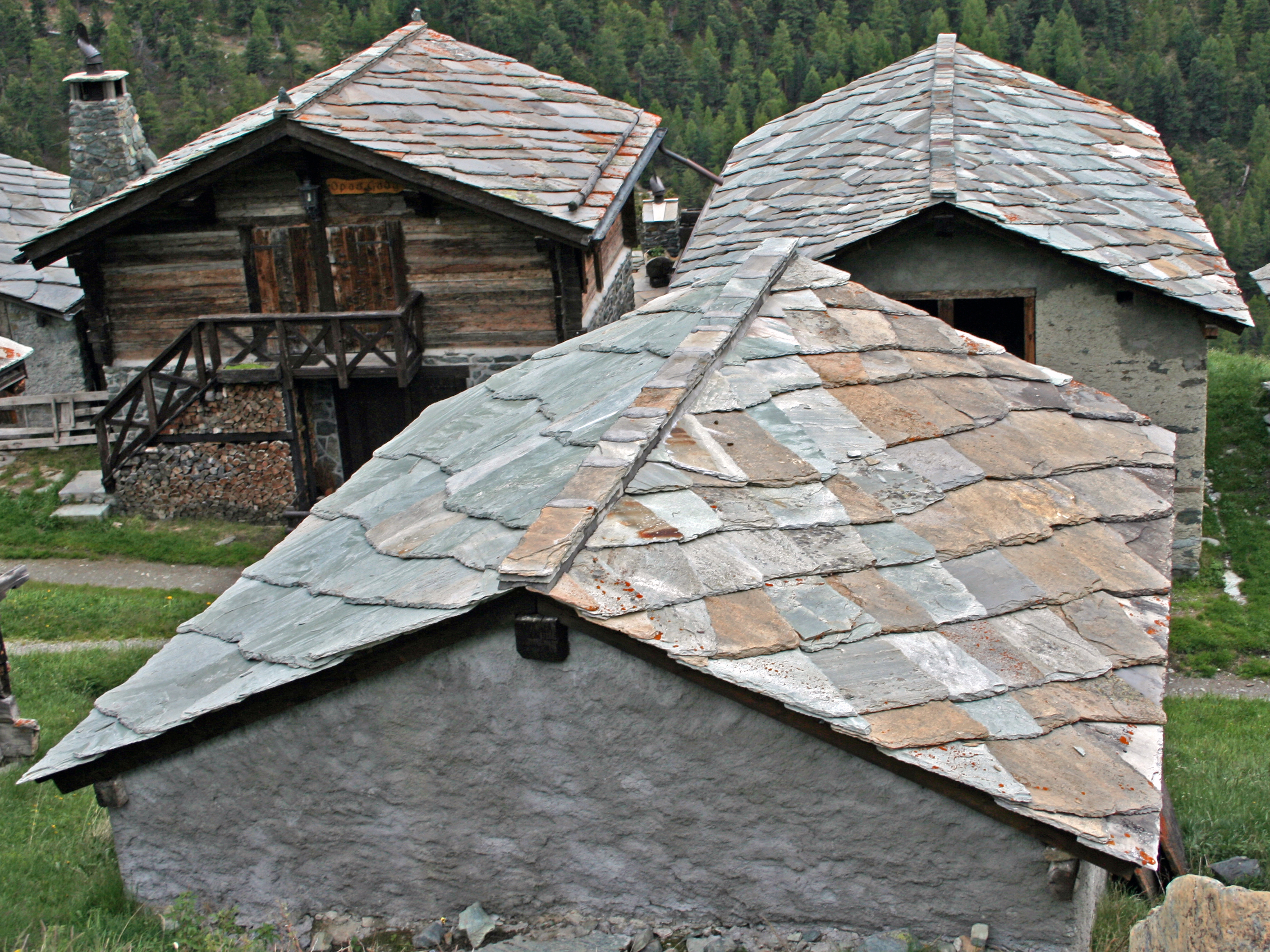
Heavy, long-lived mineral coverings. Their durability is high, but structural capacity and slope requirements limit where they can be used.
Figures below are general ranges drawn from common manufacturer guidance and building practice. Confirm exact requirements with the product specification and your local building code.
| Material | Common minimum slope | Relative weight | Typical service life |
|---|---|---|---|
| Asphalt shingles | Moderate to steep | Light | Multiple decades |
| Standing seam metal | Low to steep | Light to moderate | Long |
| Natural slate | Steep | Heavy | Very long |
| Clay tile | Steep | Heavy | Very long |
Accumulated snow adds weight that the roof structure must carry. Slope, exposure, and drifting all influence how much snow remains on a surface and where it concentrates.
When heat escapes into the roof, melted snow can refreeze at the colder eaves, forming ice dams that back water up under the covering. Ventilation and insulation reduce this risk.
Water that enters small cracks expands as it freezes. Repeated cycles widen those cracks over time, which is why sound flashing and intact sealing matter in cold regions.
Open, exposed sites see more wind uplift and drifting. Fastening patterns and edge detailing are adjusted accordingly during installation.

This form is for general questions about the reference content published here. It does not arrange inspections or quotes.